Skip to content
‹ All work

Wrist Multi-Tool

A round AMOLED on the wrist. Radios at its heart.

A Zephyr and LVGL firmware platform for a two-chip wearable with a 466×466 round AMOLED, NFC, Sub-GHz, infrared and audio. It talks to a Flutter companion app over BLE, which also delivers its firmware updates.

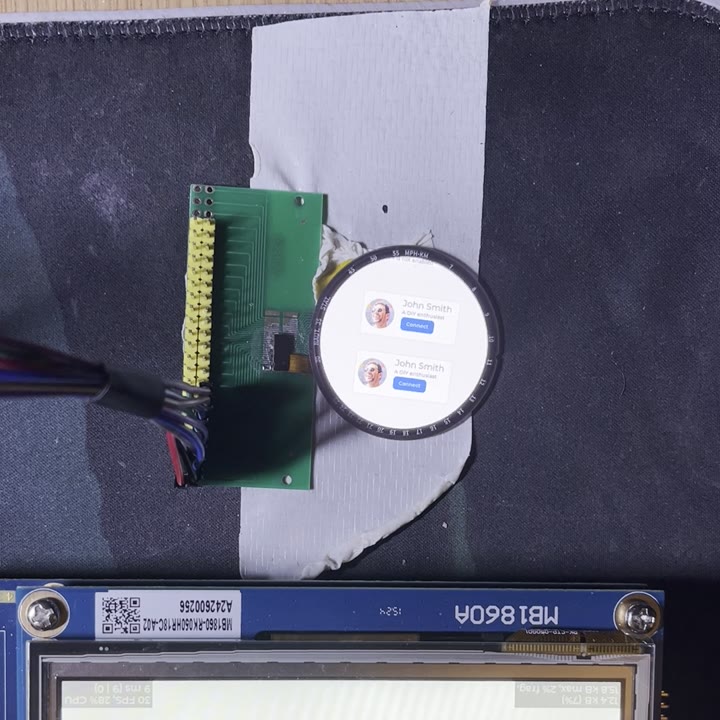
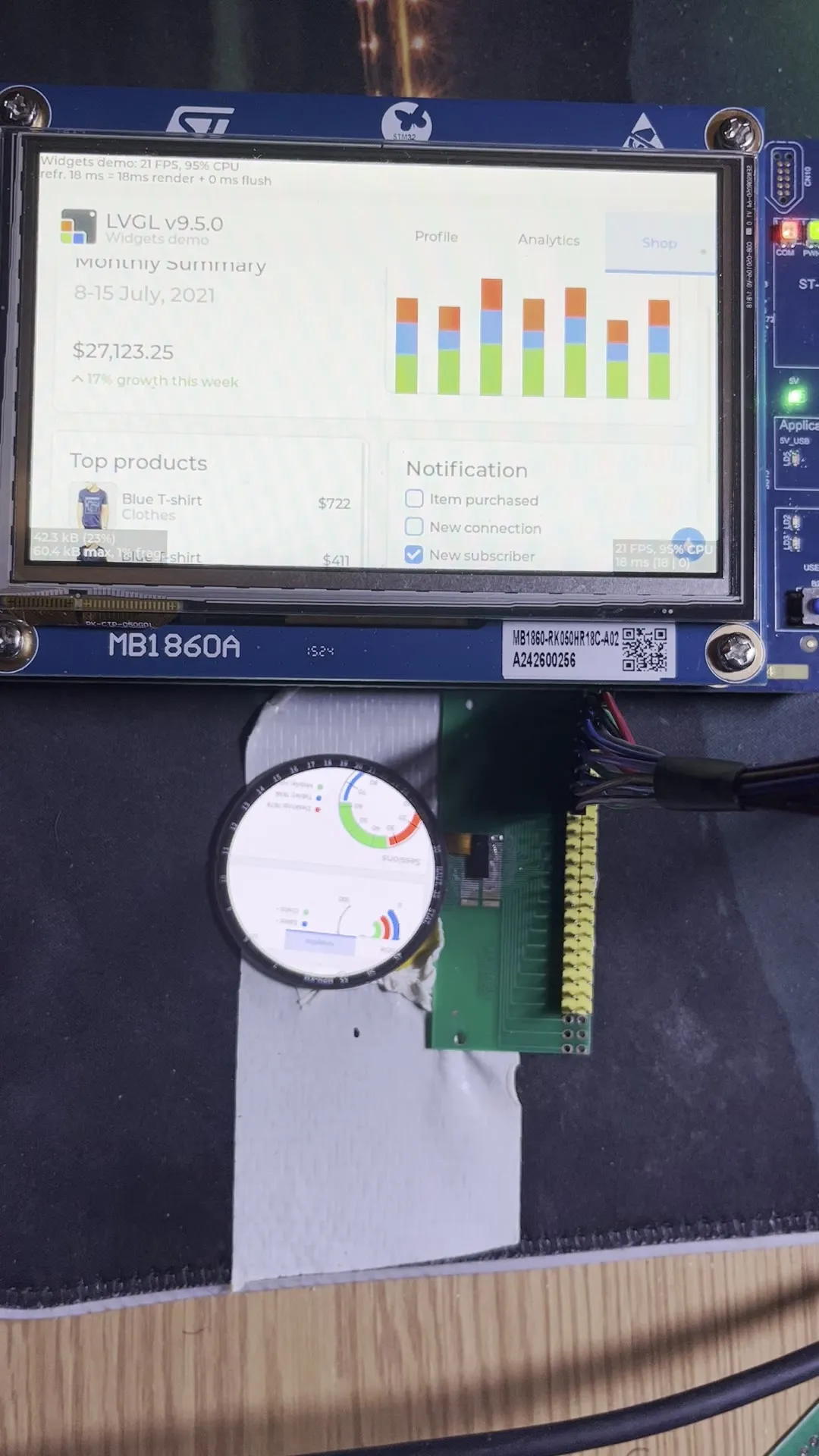
LVGL running on the 466×466 round AMOLED over MIPI-DSI from an STM32U5.

At a glance

phone-to-watch firmware update, SHA-256 verified end to end
792 KB / ~26 s
phone-to-watch firmware update, SHA-256 verified end to end
on the round AMOLED with GPU2D, against 22 fps @ 74% without it
28 fps @ 25% CPU
on the round AMOLED with GPU2D, against 22 fps @ 74% without it
three apps on one shared driver base
417 commits
three apps on one shared driver base

Bring-up

From bare panel to fluid UI.

A 466×466 round AMOLED driven over MIPI-DSI from an STM32U5, with the NeoChrom GPU doing the heavy lifting.

Discovery board and round AMOLED running LVGL demos on the bench

Performance

More frames. Less CPU.

Moving drawing onto the GPU lifted the frame rate and freed most of the processor for the radios.

28 fps

at 25% CPU, from 22 fps at 74%

Updates

Updates that can’t brick it.

Phone to watch over BLE and UART, with sequence-checked chunks and a SHA-256 over the whole image before MCUboot ever sees it.

~26 s

for a 792 KB firmware update

Measured

Faster. Lighter.

Frame rate, round AMOLED

higher is better
Before
22 fps
After
28 fps

CPU load while rendering

lower is better
Before
74 %
After
25 %

Tech specs

Role
Firmware (STM32U5 and ESP32-C5), drivers, update pipeline and companion app
Context
Personal R&D platform
Year
2026
Disciplines
Firmware, Software, Cloud
Stack
  • Zephyr
  • LVGL
  • STM32U5G9 + NeoChrom GPU2D
  • MIPI-DSI
  • ESP32-C5
  • ESP-IDF
  • NimBLE (BLE 5.4)
  • MCUboot
  • ST25R3916 NFC
  • CC1101 Sub-GHz
  • ES8311 audio
  • Flutter
  • AWS S3 + FCM
  • GitHub Actions
Origin
Personal R&D
The full engineering story

The platform

Two chips, each doing what it’s best at:

  • An STM32U5G9 running Zephyr. It drives the 466×466 round AMOLED over MIPI-DSI with the NeoChrom GPU, plus the touch, NFC (ST25R3916), Sub-GHz (CC1101), infrared, audio (ES8311), the IMU and the fuel gauge.
  • An ESP32-C5 running ESP-IDF. It’s the radio, with BLE 5.4 (NimBLE) to the phone, linked to the U5 over a 921,600-baud UART bridge.
  • A Flutter companion app, with firmware releases delivered from AWS S3 and push notifications through FCM, built by a GitHub Actions pipeline.

Three apps sit on the same driver base:

  • A smartwatch face host for designs made in LVGL Pro.
  • A touchscreen research multi-tool:
    • NFC card reading and emulation
    • Sub-GHz capture, decode and replay
    • Infrared learn and send
    • Audio record and playback
  • A headless serial bench menu that mirrors the same screens, for fast iteration without the display.

The hard part: updates that never brick the watch

Firmware travels phone → BLE → ESP32-C5 → UART → STM32U5 → flash → MCUboot. It took three designs to get reliable:

  1. A custom windowed protocol. It delivered 99.6% of frames. The 0.4% it lost at 921,600 baud cascaded into failed transfers.
  2. Zephyr’s standard MCUmgr/SMP over the bridge. This exposed a chain of real bugs:
    • a DMA erratum that silently swallowed UART transmissions;
    • flash writes to the second flash bank that reported success but didn’t stick;
    • a buffered-write path that, after any retry, dropped the last ~147 bytes, which hold the image’s signature. MCUboot then refused the image.
  3. Direct flash writes with sequence-checked chunks and an end-to-end SHA-256. Reliable: 792 KB in about 26 seconds, upgraded v1.0 → v1.1 → v1.2 on real hardware.

Read the full write-up: Three designs to get firmware updates that never brick a watch.

Rendering and power

  • Turning on GPU2D took the round display to 28 fps at 25% CPU, against 22 fps at 74% when the CPU draws everything.
  • Idle power is staged: dim the display, blank it, stop the U5, sleep the radio, put the DSI link into ultra-low-power mode, then deep idle.
Next

Filling Line

Seven stations. One codebase.

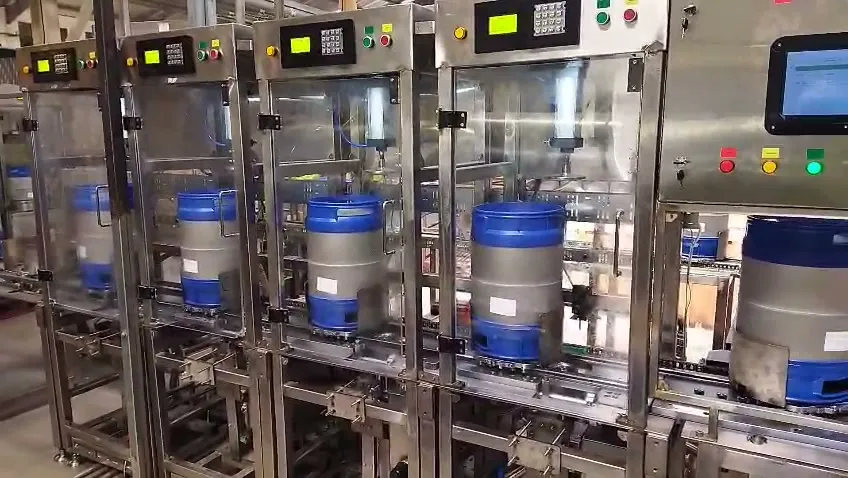
See the projectRow of stainless-steel filling stations with blue kegs on a conveyor

Let's talk

Have a product to build?

Tell me what you are making. I reply within one working day, usually with first questions and a rough plan.

Or send a message
Esc