Skip to content
‹ All work

ParcelPoint

Four steps. Under 30 seconds. Every time.

Smart parcel lockers designed around two rules. Fast: every flow finishes in four steps or fewer, so a customer is done in under 30 seconds. Resilient: lockers detect jams, keep working offline and catch the back office up on their own.

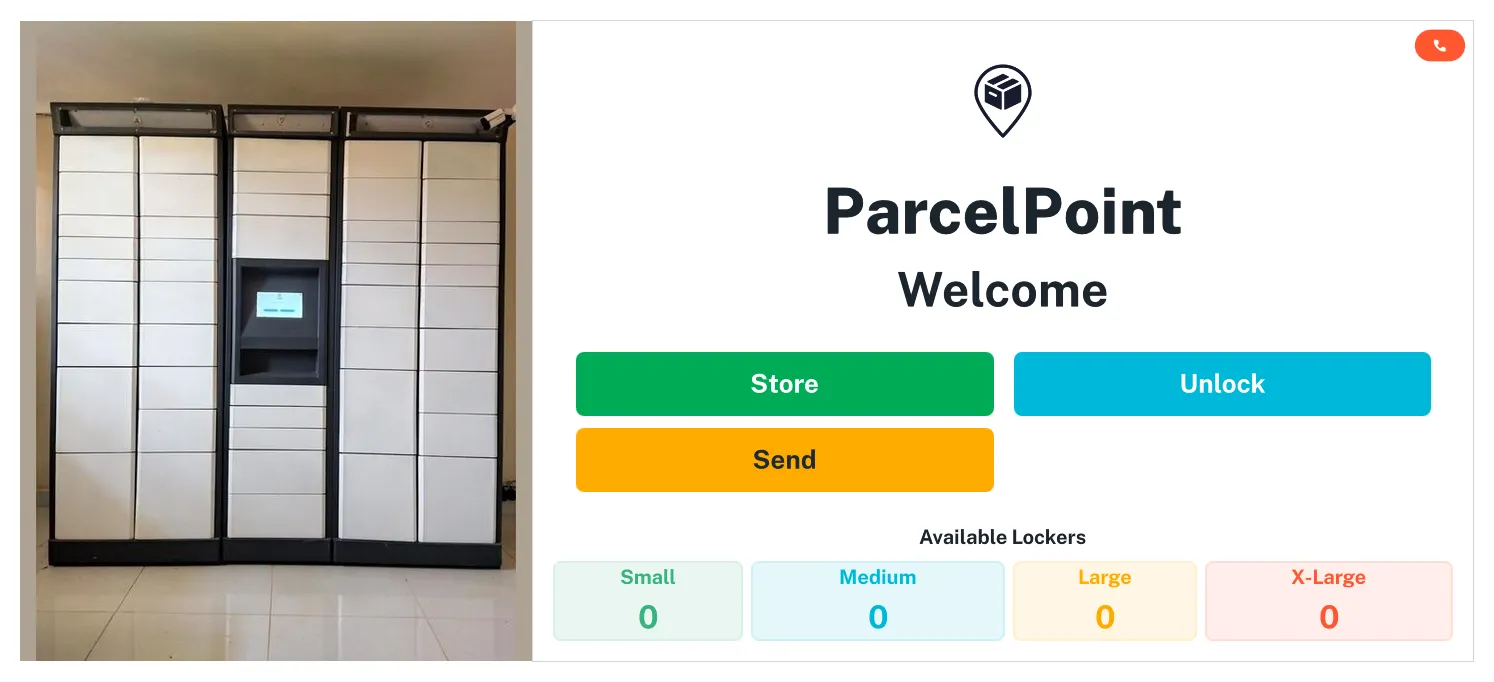
An installed ParcelPoint locker bank beside the kiosk home screen with Store, Unlock and Send buttons

At a glance

maximum for any flow: store, collect or send
4 steps
maximum for any flow: store, collect or send
for a customer, from first tap to a closed door
< 30 s
for a customer, from first tap to a closed door
jam detection, watchdogs and self-healing sync
Offline-first
jam detection, watchdogs and self-healing sync

Speed

The four-step rule.

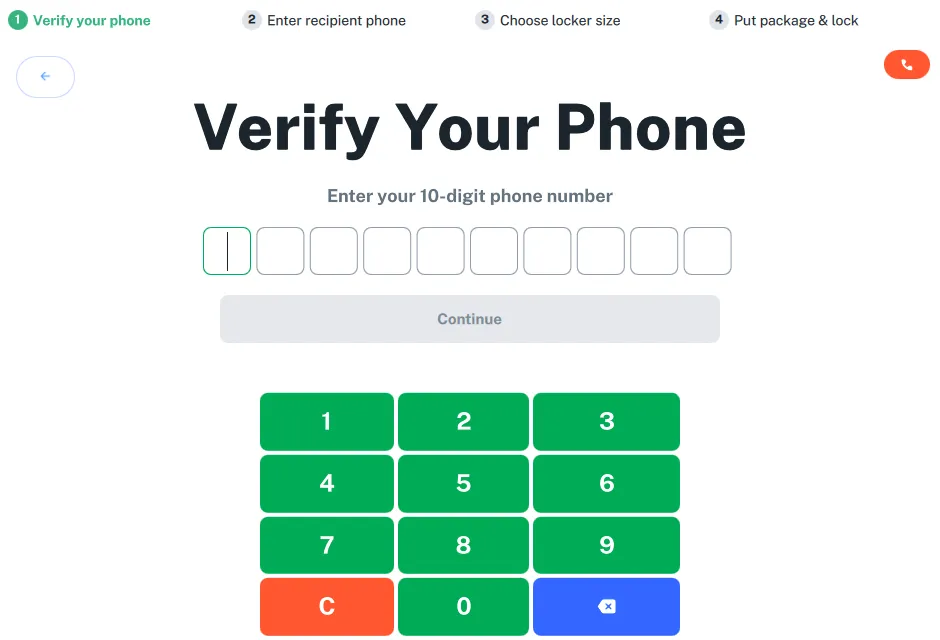
Store, collect or send: no flow is longer than four steps, on a keypad sized for thumbs. That rule is why a customer is done in under 30 seconds.

Kiosk deposit flow showing four numbered steps and a large keypad

Speed

Fast all the way down.

The SMS gateway runs on-premise, so pickup PINs never wait in a third-party queue. The kiosk talks to the back office over RPC with protobuf messages, not chatty JSON, so every tap gets an answer straight away.

< 30 s

from first tap to a closed door

Resilience

It knows when a door jams.

Every lock command is checked: jammed locks and doors left open are detected, and lock-board commands are guarded by a watchdog. “I paid and the door didn't open” is a fault the system now catches and recovers from.

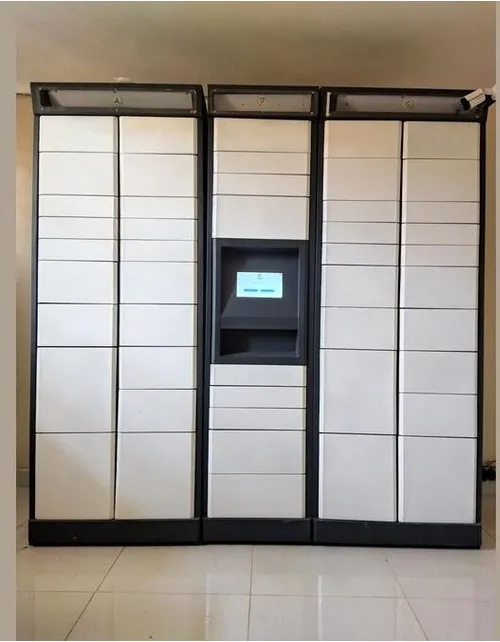
Installed bank of parcel lockers with a central kiosk

Resilience

Works when the network doesn't.

Offline-first: the kiosk keeps serving customers without a connection, queues every event in a duplicate-proof inbox, and syncs the back office when it reconnects. Lockers come back on their own after every network drop.

961

commits to release 7.3.1, running on production lockers

Tech specs

Role
Lead engineer for the kiosk app, lock-board drivers, backend integration and admin app
Context
Squared Computing product, live at parcelpoint.co.ke
Year
2024–2026
Disciplines
Software, Firmware, Cloud
Stack
  • Qt 6.10
  • QML
  • C++20
  • Qt Protobuf
  • Qt SQL
  • SerialPort
  • Raspberry Pi ARM64
  • Go
  • Gin
  • PostgreSQL
  • RabbitMQ / AMQP
  • M-Pesa
  • Docker
  • systemd
Origin
Built at Squared Computing
The full engineering story

The problem

Unattended parcel lockers in Kenya have to take a payment, open the right door and stay in sync with the back office. They do it over slow, metered GSM connections that drop without warning. Every failure happens in public: “I paid and the door didn’t open.”

Rule 1: fast

  • Four steps maximum. Every customer flow (store, collect, send) is four steps or fewer, with large targets, so it’s done in under 30 seconds.
  • On-premise SMS gateway. Pickup PINs go out from the kiosk’s own SMS modem, with no third-party queue in the way.
  • RPC and protobuf. The kiosk and the Go backend exchange compact, typed protobuf messages over RPC and AMQP instead of chatty JSON.
  • M-Pesa payments in the same flow, without leaving the screen.

Rule 2: resilient

  • Lock-jam and open-door detection on every lock command, with lock-board commands guarded by a watchdog.
  • Offline-first. The kiosk keeps serving customers without a network, queues events in a SQLite inbox that drops duplicates, and syncs when it reconnects.
  • HMAC-signed messages, so the back office only acts on messages it can trust.
  • Self-healing connections. Lockers redeclare their AMQP reply queue and come back on their own after a network drop.

How it’s built

  • Kiosk app: Qt 6 and QML on a Raspberry Pi. Business logic lives in C++ controllers with explicit state machines; QML only draws the screen.
  • Hardware: drivers for four serial lock-board models, each with a mock for testing, plus a touch settings app for field technicians.
  • Platform: a Go backend with PostgreSQL for bookings, parcels, payments and devices, and an admin dashboard for web and Android.
  • Deployment: cross-compiled for ARM64 in Docker and run as a systemd service.

Fixing what matters in the field

  • Three production freezes, caused by re-entrant QFuture continuations.
  • “Paid but the door didn’t open,” traced to a stuck lock-board command and now caught by the watchdog.
  • Lockers that never came back online after a network drop, fixed by redeclaring the AMQP reply queue on reconnect.

The project is about 17,700 lines of C++ and 8,600 lines of QML across 961 commits.
Next

Wrist Multi-Tool

A round AMOLED on the wrist. Radios at its heart.

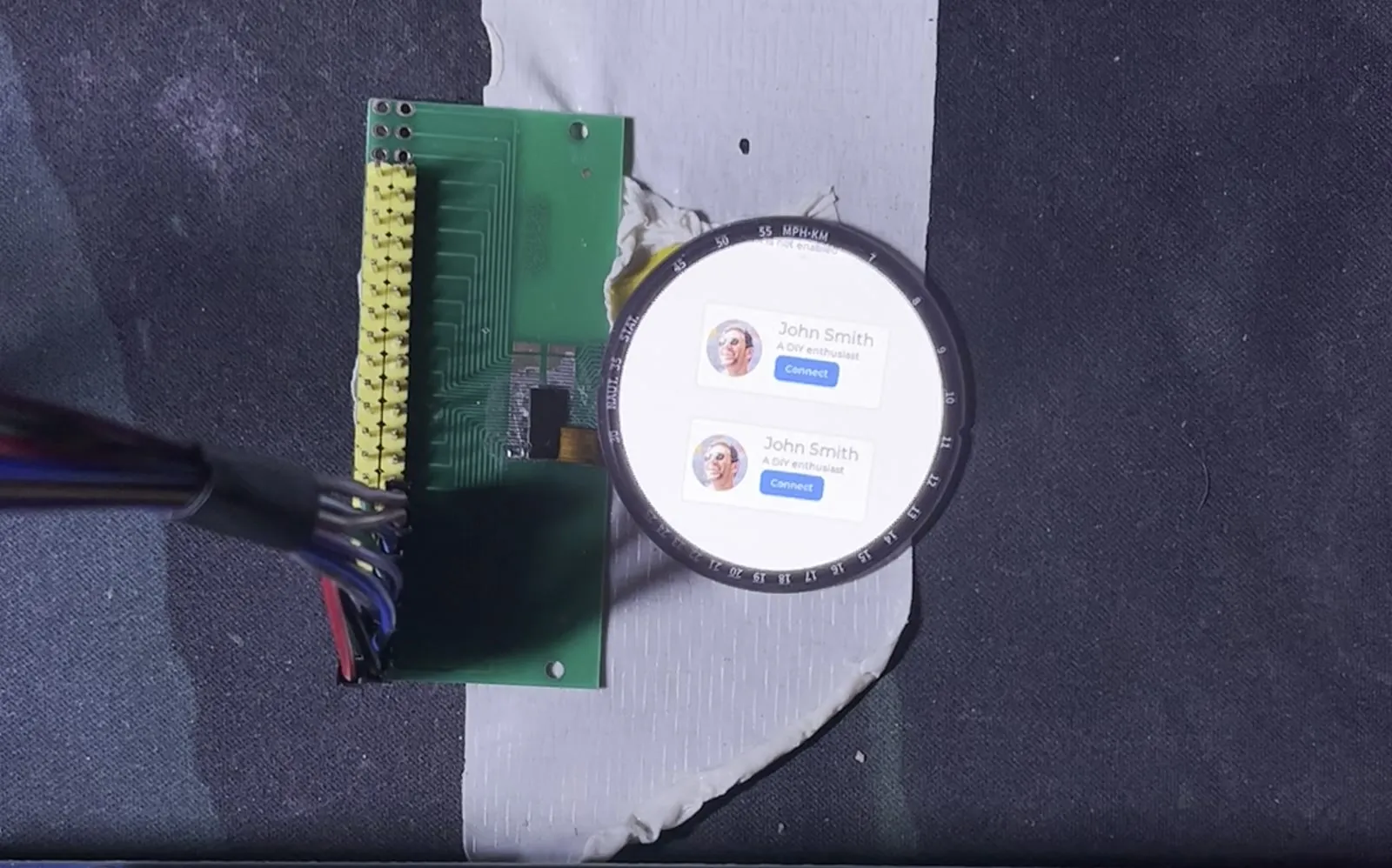
See the projectA 466×466 round AMOLED panel on a breakout board, showing an LVGL interface on the bench

Let's talk

Have a product to build?

Tell me what you are making. I reply within one working day, usually with first questions and a rough plan.

Or send a message
Esc